The Department works with the elementary and secondary schools of the archdiocese — curriculum, certification, accreditation, tuition assistance. Principals and teachers deal with it directly. Families usually arrive looking for one thing: help paying for school.
The Catholic schools of the Archdiocese of San Francisco are committed to the mission of the Church by providing quality learning communities rooted in academic excellence and the Catholic tradition for the children entrusted to our care.
The Department of Catholic Schools is dedicated to the teaching mission of the Catholic Church. For our elementary and secondary schools we strive to provide quality leadership, to develop programs of educational excellence, and to prepare students for a truly Christian life.
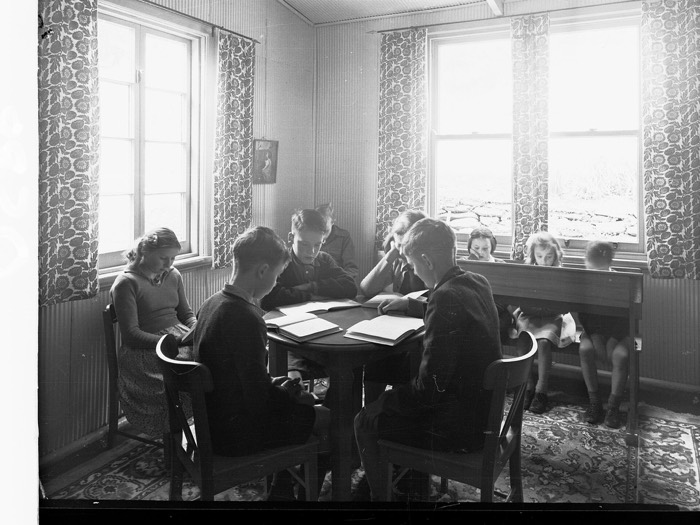
The Department of Catholic Schools of the Archdiocese of San Francisco maintains curriculum guidelines in all subject areas. The guidelines follow the California State Standards and are infused with Catholic teaching, doctrine and tradition.
Curriculum is the process of transmitting knowledge and attitudes steeped in Gospel values across every content area. The guidelines set out concepts and skills and where each sits in the continuum of learning, so a teacher can see how the disciplines connect rather than teaching each in isolation.
Curriculum is not static. It is a developmental process, and the guidelines keep evolving — what matters is the framework, not any one edition of it. Each subject area was worked through by committees of teachers from the schools themselves, with the Associate Superintendent steering the effort.
Alongside academics, the Department supports the faith formation of students and educators: religious-education concepts, catechist resources, and the guidance that helps a school carry the Catholic tradition into ordinary teaching days.
A Religion Council feeds into that work. It is an appointed group of teachers — one representative from each elementary school cluster — and it meets four times a year to give the Department input on religion in-service and related questions. Small body, regular rhythm.
Certification for catechists runs alongside, together with the annual Faith Formation Conference.

Felix Spin is a Spanish-language casino site. The catalogue runs past five thousand titles — long-established studios next to ones taking their first swing. Welcome package: 4,000 € and 400 free spins, with cashback to 25% and tiered VIP levels behind it. Payment goes from ordinary cards through to digital wallets, and support answers on email and live chat around the clock.
The Board of Education writes policy. It assists the Archbishop and the Department in developing it, then updates it and checks compliance. Carrying it out is a separate job — that falls to the Superintendent and the Department, and the Board holds the Superintendent answerable for it.
PAC speaks for the principals. One elected representative from each elementary school cluster, three-year terms, plus one from the Council of Catholic High Schools. It advises the Superintendent, and it carries messages both ways between the cluster principals and the Department. Monthly meetings, September to May. December off.
The high schools have a body of their own. The Council of Catholic High Schools was formed in the fall of 1989 under the first goal of the High School Collaborative Planning Project: establish a permanent structure for collaboration. Presidents and principals sit on it, with the superintendent and the associate and assistant superintendents, and one approved member from each of the high-school committees — campus ministers, curriculum coordinators, admission directors, development directors, business managers. Three meetings a year. It decides which goals and projects from the Pastoral Plan and the Collaboration Project get carried out, and in what order.
The Religion Council is appointed, not elected. One teacher from each elementary school cluster, one secondary religion department chair, one campus minister. Four meetings. Its job is to tell the Department what is actually happening with religion in-service, curriculum, methodology and teaching.
Schools accredit through the Western Catholic Educational Association. It is a private accrediting agency, established under the auspices of the bishops of the Catholic dioceses of California, and its stated mission is to maintain and improve the quality of Catholic elementary and secondary schools as places that serve faith formation and academic need together. It coordinates the process, helps schools with their self-evaluation, sets general standards, grants accreditation, and cooperates formally with the Western Association of Schools and Colleges.
Two documents decide it. The school writes a self-study; a visiting committee writes a report. Between them they must show compelling evidence of two things — that the school is substantially accomplishing the purposes it has stated for itself, and that it meets an acceptable level of quality against the criteria the Accrediting Commission has adopted.
The Commission is plain about what accreditation is for. Certification to the public that the school is a trustworthy institution of learning. Improvement of its programs and operations, so that students learn better. Behind both sits a belief it states outright: a school should set its own purpose, then keep measuring itself against it — internally and externally, by numbers and by judgement.
Everything runs through one form. The I-20 tells the U.S. government four things: that the applicant is or expects to be a bona fide student, that they meet the school’s admissions requirements, that they will pursue a full course of study, and that the parents or guardian have shown there is enough money for the student to study and live in the country without working illegally or falling into poverty. With it, the student can apply for an F-1 visa.
The Department issues the form, not the school. A packet of documents comes in first; the Department registers the student with SEVIS — the Student and Exchange Visitor Information System — and then issues the I-20. Read the instructions before sending anything. A missing document sends the packet back.
The form does not stay valid on its own. A designated signing officer at the Department has to sign it each year after the issue date, or it will not serve for travel. A student going abroad may be away up to two months at a time per year, and needs four things to re-enter: the visa, an I-20 with a current signature, a valid passport, an I-94.
Administrators keep a standing list of what to report. When an international student arrives — preferably before classes begin. When one does not arrive after an I-20 has been issued. A new mailing address. A drop below full-time attendance, or any other sign the academic program is not being followed. An approaching graduation, a transfer to another school, an absence longer than two months, a request to extend.
Questions about curriculum, certification or tuition assistance go to the Department, and they go through a school. Principals and teachers use their own office; families should start with the school their child attends or is applying to.